
revti f

Content Marketing vs Paid Ads: Where Should You Invest More?

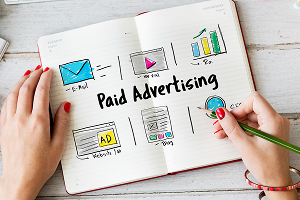
Advertisment, Digital Marketing Content Marketing vs Paid Ads: Where Should You Invest More? April 14, 2026 Companies in the digital marketing field continuously examine different marketing approaches to determine their performance outcomes. The determination between increasing content marketing budget and paid advertising investment stands as one of the basic yet crucial marketing choices. The optimal solution usually exists between these two approaches. Your digital strategy reaches optimal results through a clear comprehension of how content marketing and paid ads support each other. This article explores in detail both the advantages and boundaries together with return on investment perspectives of each option to enable better strategic choices during 2025. Understanding Content Marketing The main focus of content marketing exists in delivering beneficial content to your audience. The process entails delivering useful content that resonates with prospective customers because the main goal is to create educational or entertaining content as a means to subtly promote your brand. Through consistent posting companies gain customer trust while generating leads and raising their search engine ranking. Examples of content marketing include: Blog posts and long-form articles E-books and whitepapers Webinars and video tutorials Email newsletters Infographics Social media educational posts Benefits: Establishes brand authority and trust Improves organic traffic through SEO The system attracts leads through its advertising-free approach. Provides compounding ROI over time Enhances customer engagement and retention Challenges: Time-intensive: results may take months A program that demands ongoing content generation together with continuous optimization processes. Needs a well-planned content calendar and resources Understanding Paid Ads Digital platforms give brands visibility through Advertising Payments for Displaying Content. The advertising format includes both search engine advertisements along with social media posts that brands promote. The biggest advantage? Speed. By spending the right amount of money on targeting customers effectively paid advertising creates instant traffic and leads and conversions. There are several popular paid ad formats available which include: Google Search and Display Ads Facebook and Instagram Sponsored Ads LinkedIn Sponsored Posts TikTok Ads YouTube Pre-Roll Ads Benefits: The instant notification system makes it possible to instantly see your message. The platform enables potential customers to be segmented through their expressed interests along with their behaviors and locations and more. Generates measurable and trackable results The campaign creates excellent opportunities to introduce new product releases or sale promotions and seasonal deals Challenges: The marketing impact ends as soon as advertising funding runs out. Competitive and expensive in saturated markets Strategic proficiency in addition to performance optimization capabilities are necessary for this role Comparing the ROI: Content Marketing vs Paid Ads Let’s talk numbers. Experiencing an extended ROI growth period separates content marketing from other marketing approaches. Today’s blog post maintains its ability to generate traffic and leads and deliver SEO advantages which will last for months or even years after publication. Consistent content creation by companies brings three times more leads while companies lacking sustained content experience fewer leads according to AmpiFire. The financial return on investment for paid advertisements arrives promptly while delivering immediate earnings. Paid advertising provides immediate outcomes for businesses to launch new products and time-sensitive promotions or to reconnect with previous site visitors. The price of paid advertising builds up progressively thus it stops providing benefits after the advertising budget reaches its end.   💡 Best Approach? A Balanced, Hybrid Strategy   Marketers who combine these two strategies will achieve the best results in 2025. Apply paid advertising campaigns to drive awareness about superior content pieces and landing pages. Work on building your brand authority through evergreen content while keeping an eye on paid advertising value. The strategic combination enables you to gain instant site visitors while developing sustainable brand expansion.   When to Choose Content Marketing Your main objective is to establish lasting digital presence along with authority status You want sustainable SEO growth Your financial resources remain limited yet you possess enough time to dedicate to your investments Value-based educational content suits audiences who require information for understanding purposes. When to Choose Paid Ads You require immediate performance boosts together with increased website visitors. You’re promoting a time-sensitive campaign Your business introduces a fresh product along with a new service. Your business operates with a budget that you can adjust and maintain stability for advertising campaigns. Conclusion Digital marketing presents an either-or situation regarding content marketing versus paid advertising because the choice depends on what goals you want to achieve at present. The marketing plan of 2025 will combine content creation for long-term trust development and visibility enhancement alongside paid advertising for delivering quick results. You can obtain optimal results from content marketing and paid advertisements at the same time. Revti Digital helps brands grow through the strategic combination of content strategies and performance advertising.   #ContentMarketing #Paidads #DigitalStrategy #RevtiDigital  #Marketing2025 Post tag : Advertisment, Digital Marketing admin Lorem ipsum dolor sit amet, consec tetur adipiscing elit. Categories Online MARKRTING DIGITAL MARKETING PAID MEDIA Recent Post Brand Strategy 101: How to Make Your Brand Impossible to Ignore The YouTube Algorithm Explained (And How to Beat It) AI in Marketing: Real Examples That Actually Work Subscribe Follow Us Facebook Instagram Linkedin


The Art and Science of A/B Testing in Digital Marketing

Advertisment, Digital Marketing The Art and Science of A/B Testing in Digital Marketing July 27, 2025 In digital marketing world it all depends on what works and what doesn’t so to make life of a digital marketer easy A/B testing comes in. You can craft various variation of ads based on your creativity and data, enabling youto make informed decisions based on the actual user behavior. But what exactly is A/B testing, and why is it such a powerful tool for marketers? Let us go into. What is A/B Testing? A/B testing, also known as split testing, is the process of comparing two versions of a marketing asset — such as a web page, email, ad, or headline — to see which one performs better. You present version A to half your audience and version B to the other half, and compare the results. For example: Which subject line will open more emails? Which CTA button will bring more clicks? Which layout of the landing page will convert more users? Which creative will increase more engagement? You have to go into the footsteps of your target market behaviour and find which is the best option Why A/B Testing Matters in Digital Marketing A/B testing helps marketers in following ways: Enhance Conversion Rates: Scrutinising factors that can affect the decision of users. Minimize Bounce Rates: Design page layouts, content and CTA which help in reducing bounce rate Optimize Email Campaigns: Finding out best Test subject lines, send times, and images from data. Maximize ROI: Achieve more with less ad spend by stopping under performing ads variation and increasing budget on performing ads Confirm Assumptions: Easy way to confirm assumption and make data-driven decisions    It’s not just about what looks good — it’s about what works. Key Elements You Can Test Here are some common elements that marketers often test: AD Copies (Headline, long headline, description),  Call-to-Action (CTA) buttons AD Creatives (Images and Videos) Subject lines of Emails Sale pricing and Offers Layout and design of Website landing page Even small tweaks can lead to significant improvements in performance. Best Practices for A/B Testing Test One Variable at a Time: Don’t change multiple variables at one time instead isolate changes to understand their impact.  Set Clear Goals: Know what metric you want to improve (clicks, conversions, etc.). Use a Large Enough Sample Size: Ensure statistical significance. Run Tests Simultaneously: Avoid external factors skewing results. Analyze and Apply Insights: Use what you learn to optimize future campaigns. A/B Testing Tools to Consider Google Optimize Mailchimp A/B Testing Optimizely VWO HubSpot A/B Testing These tools simplify the setup, execution, and analysis of your experiments. Conclusion A/B testing is both an art and a science — combining creative ideas with analytical data. It empowers marketers to continuously refine their strategies and deliver better results. Whether you’re optimizing a website, fine-tuning an ad, or enhancing an email campaign, A/B testing is an easier and optimal way to find the best marketing plan for your business At Revti Digital, we help brands implement effective A/B testing strategies that unlock real growth. Ready to experiment your way to success? Let’s talk. #A/BTesting  #DigitalStrategy #RevtiDigital  #Marketing2025 Post tag : Advertisment, Digital Marketing admin Lorem ipsum dolor sit amet, consec tetur adipiscing elit. Categories Online MARKRTING DIGITAL MARKETING PAID MEDIA Recent Post The Art and Science of A/B Testing in Digital Marketing What is Google Analytics? Demystifying Google Analytics: Key Metrics to Monitor Subscribe Follow Us Facebook Instagram Linkedin

What is Google Analytics?

Advertisment What is Google Analytics? July 25, 2025 In the age of data-driven decision-making, it is important to know what your site is doing. Whether it is a small business or an enterprise level company, everyone desires to have some insight into the user behavior, traffic patterns and the level of engagement. However, the question that most new marketers or business owners ask is usually: What is Google Analytics? In this blog, we are going to discuss what Google Analytics is, its purpose, and how it can assist your business to grow online. What is Google Analytics? Google Analytics is a web analytics tool created by Google which allows you to see how your site is doing. It monitors and reports the traffic on your web site, giving you details on how users are using your pages, their origin/source and what are they doin during their session. Google Analytics will help you to answer such questions as: What is the traffic on your site? What is your source of users? Which content is most successful? What is the flow of visitors on your site?   The Advantage of Using Google Analytics. Regardless of whether you operate an e-commerce site, blog or service-based business, Google Analytics is useful in the following ways: User Insights – Know demographics, locations, devices and behavior of your audience. Traffic Sources: Find out which channels (organic, paid, direct, social, referral) are sending the most traffic. Page Performance- See which pages are making users stay and which ones should be improved. Goal Tracking – Track activities such as form submissions, purchases and downloads. Campaign Evaluation– Examine the effectiveness of your marketing. Reports of Google Analytics Real-Time Reporting What it is: This aspect enables you to see what the user is doing on your site in real-time, that is, as it occurs. You will be able to see the number of users on your site at the moment, what pages they are on, the source of their visit, and what they are doing there.   The usefulness of it:   Track the short-term effect of a marketing campaign or a social media post. Monitor product launches or live events. Quickly troubleshoot problems when users are dropping or pages are not loading.   Audience Reports What it is: Audience reports give much insight on the demographics, interests, behavior, location, device type and even language preferences of your visitors. The usefulness of it: Know what your target customer is. Target content and campaigns by segmenting users by age, gender or device. Determine patterns of user behavior over time to improve targeting.   Acquisition Reports What it is: These reports indicate how users discover your site, be it search engines (organic traffic), paid advertisements, social media, referral links, or direct visits.   The usefulness of it:   Assess the success of your channels of marketing. Know what sources are generating high converting traffic. Maximize the use of ad or influencer budgets.   Behavior Reports What it is: Behavior reports monitor the actions of the users after they arrive in your site- what pages they visit, how long they spend, where they click and where they leave.   The usefulness of it:   Find out the content that performs and the pages with low performance. Enhance user experience through knowledge on drop-off points. Streamline web page navigation and content.   Conversions What it is: Conversion tracking allows you to set and track particular objectives such as purchases, newsletter subscription, form fills, or downloads.   The usefulness of this:   Quantify the ability of your site to meet business requirements. Compute ROI  campaigns content strategies. Implement funnels to know the entire customer experience   All these features can assist you in perfecting your marketing efforts, enhancing user experience, and conversions. Getting Started with Google Analytics It is easy to start using Google Analytics. Here is a step by step guide:   Sign up to Google Analytics at analytics.google.com. Establish a site of your property. Place the tracking code on your site (usually in the header of the site). Set up objectives and conversions that are applicable to your company. Connect your Google Ads and Search Console accounts to get more detailed reports for your ads and make custom conversions.   After installation, the data will start pouring in your dashboard and you can start making informed marketing decisions using real-time performance data. Conclusion Google Analytics has strong capabilities and easy-to-read reports which will enable you to transform data into actionable plans. This is a tool that you must have in your digital marketing toolbox whether you are a new site or you are seeking to enhance an existing site.   We provide brands with data-driven insights at Revti Digital with the help of tools such as Google Analytics. Are you ready to unleash the power of your site? Shall we begin?   #Googleanalytics #DigitalStrategy #RevtiDigital  #Marketing2025 Post tag : Advertisment admin Lorem ipsum dolor sit amet, consec tetur adipiscing elit. Categories Online MARKRTING DIGITAL MARKETING PAID MEDIA Recent Post What is Google Analytics? Demystifying Google Analytics: Key Metrics to Monitor Tips for Creating Engaging Video Content Subscribe Follow Us Facebook Instagram Linkedin

Demystifying Google Analytics: Key Metrics to Monitor

Advertisment Demystifying Google Analytics: Key Metrics to Monitor July 25, 2025 In the world of data where every decision is made based on facts, it is important that you know how your site is performing to further your digital presence. You can be a marketer, the owner of a business, or a strategist of content and understanding the flow of visitors into your site may guide you towards the refinement of strategies, campaign optimization and increased ROI. There is one of the most powerful tools, and it is Google Analytics, of course, but when it comes to numerous metrics, dashboards, and reports sometimes it is easy to get lost. In this blog we demystify Google Analytics by pointing you to the most important metrics that you must surely watch. What is Google Analytics? Google Analytics is a free web analytics service offered by Google to assist its users to track and analyze their online performance. It can provide profound insights into user actions, traffic sources, and conversion statistics, and so it is vital to both digital marketers and businesses. Knowing how to use Google Analytics can help inform the right decision whether you want to evaluate page performance, measure campaign success, or to identify drop-off points in your funnel. The Best Google Analytics Key Performance Indicators 1. Sessions and Users Users: The count of distinct visitors to your Web site. Sessions: It is the amount of visits your site had, so as to say the number of times someone has visited that particular site. These gauges are useful to measure total traffic to the site and amount of repeat visitation. 2. Bounce Rate This indicates the number of users that have left your site after viewing a single page. When a bounce rate is high, it can be a clue to content or UX problems. 3. Mean = Session Duration Records how long each user spends on an average on your site on a visit. The longer the sessions the more it is likely that they will be engaged. 4. pages_per_session Reports you on the number of pages viewed by a user per session. It makes a great metric of measuring the interest level and navigational capability of your content. Acquisition Metrics: What Source of Traffic Do You Have? Google Analytics categorizes traffic sources into such categories as: Organic Search: Search engine traffic Direct: Visitors typing the URL of your site directly Referral: Other websites traffic Social: Social media traffic Paid Search: Google Ads and other campaigns visits   Knowing the sources of traffic assists you to invest in the correct marketing channels.   Behavior Flow: Navigation of the User The Behavior Flow report is a visual representation of the flow of users through your site, how they arrive, which pages they visit and where they leave. This can help to identify the areas where the content can be placed better and the user journey can be improved.   Conversion and Goal Completions Creating Goals in Google Analytics enables you to track certain actions such as submissions, purchases, downloads or newsletter sign-ups. These are monitored to enable you to know how good your site is performing in terms of business goals. Conclusion Google Analytics is not about learning all the reports, but rather it is about learning which metrics are important to your objectives. You can track the users and bounce rates, session lengths, and conversions to have practical information to improve your marketing efforts. Revti Digital assists companies in unraveling data and transforming it into strategy. You just started to use Google Analytics, or you want to get more out of your metrics? We got you covered. #Googleanalytics #DigitalStrategy #RevtiDigital  #Marketing2025 Post tag : Advertisment admin Lorem ipsum dolor sit amet, consec tetur adipiscing elit. Categories Online MARKRTING DIGITAL MARKETING PAID MEDIA Recent Post Demystifying Google Analytics: Key Metrics to Monitor Tips for Creating Engaging Video Content The Importance of Content Marketing in the Digital Age Subscribe Follow Us Facebook Instagram Linkedin